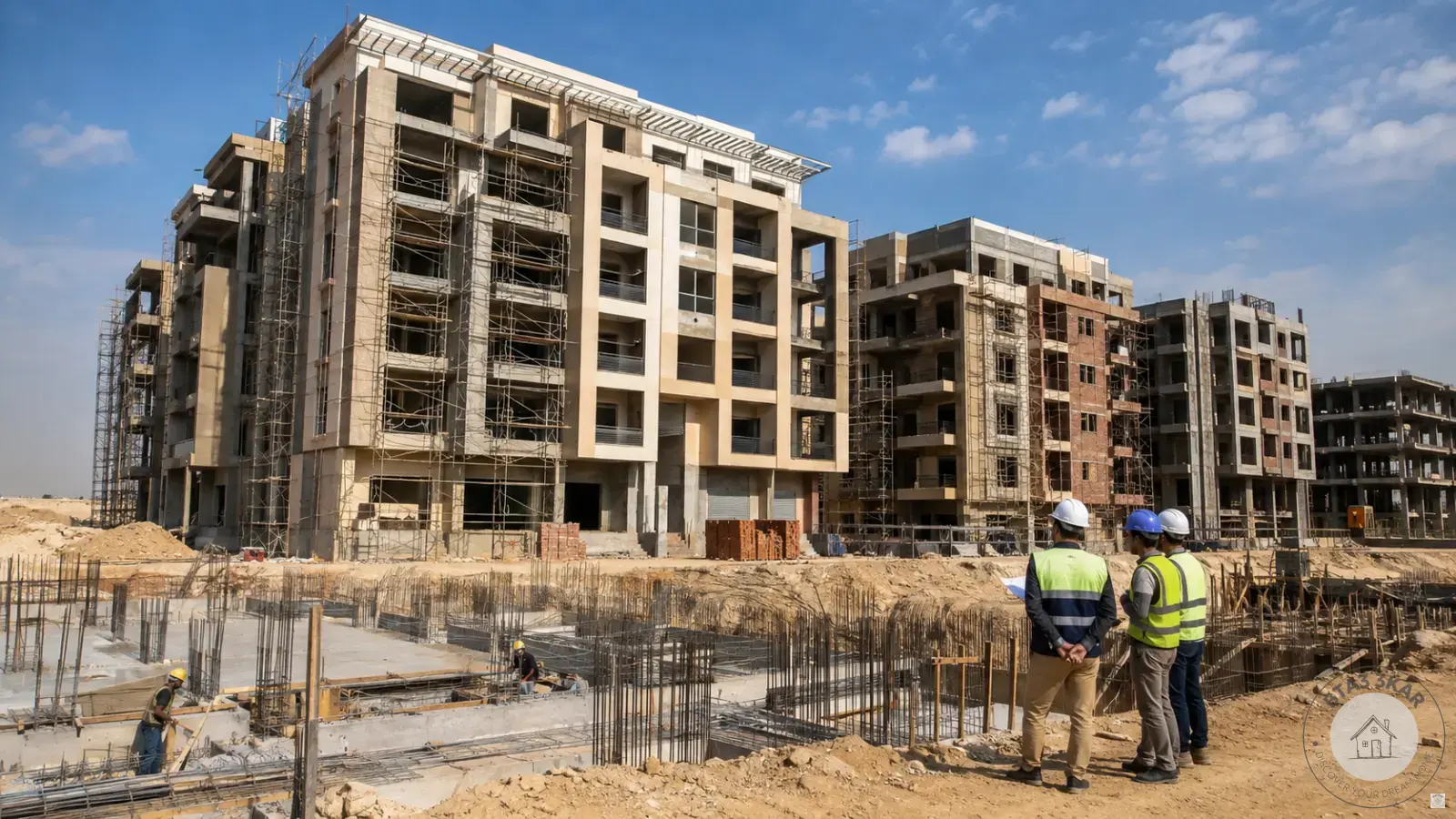
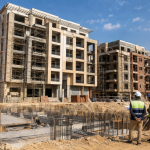
Egypt's real-estate market has entered a new period of regulatory attention after President Abdel Fattah El-Sisi directed the formation of a committee to inspect ongoing property projects across the country's governorates. According to the Presidency of the Arab Republic of Egypt, the inspection is intended to check delivery deadlines, compliance with buyer contracts, completion of project infrastructure and accountability for violations.
For buyers, the most important distinction is between what has officially been ordered and what the property industry is proposing next. BTA33KAR (بتاع عقار) reviewed the presidential statement alongside the eight reform ideas highlighted by Al Arabiya Business to separate confirmed measures from proposals that have not been established as binding rules.
Quick answer
The official measure is a presidential direction to inspect ongoing real-estate projects and monitor delivery, contracts and infrastructure. Separately, developers and market specialists cited in the Al Arabiya Business coverage have raised eight wider reform ideas, including developer classification, escrow accounts, a developers' federation and greater regulation of brokers.
The reviewed sources do not establish that those eight proposals have all become law or are already mandatory. Buyers should therefore treat them as possible directions for market reform rather than existing requirements.
What did the Egyptian Presidency actually announce?
In its statement dated 10 August 2026, the Presidency said President Abdel Fattah El-Sisi directed that a committee inspect ongoing property projects in all governorates.
The stated objectives are to verify that units are delivered on schedule, that contracts signed with buyers are respected and that the infrastructure required for the projects is completed. The statement also calls for violators to be held accountable and for the President to be periodically informed of the measures taken.
This is the strongest verified development behind the current debate. It establishes a government monitoring direction, but the announcement reviewed by BTA33KAR does not set out detailed inspection procedures, penalties, a project-ranking methodology or a new licensing regime.
What are the eight property-market reforms being discussed?
Al Arabiya Business highlighted eight proposals from developers and property-market specialists. They should be read as reform proposals rather than eight presidential decisions.
- Classifying developers. The proposed approach would assess companies using criteria such as financial strength, technical capacity and previous execution record rather than relying mainly on sales volume or brand visibility.
- Creating an Egyptian real-estate development federation. The concept is intended to provide a more formal framework for professional standards and industry organisation.
- Using escrow accounts. The proposal would link the release or use of customer sales proceeds to project execution or construction progress. The reviewed presidential announcement does not say that such accounts are currently mandatory nationwide.
- Building a unified property-market database. The proposed database would bring together information on developers, projects, brokers and contracts, potentially making verification and comparison easier.
- Activating a national property ID. A consistent property identifier is proposed as a way to improve the organisation of ownership and registration data.
- Revisiting property-sale contracts. The objective would be to produce a more balanced contractual framework between developers and buyers, particularly where delivery and performance obligations are concerned.
- Regulating real-estate brokerage. The proposal includes clearer rules governing brokers, professional practice and commissions.
- Creating indicative price benchmarks. Market specialists have proposed reference indicators for different locations. These should not be confused with an official government price-control system; the reviewed sources describe them as a proposal.
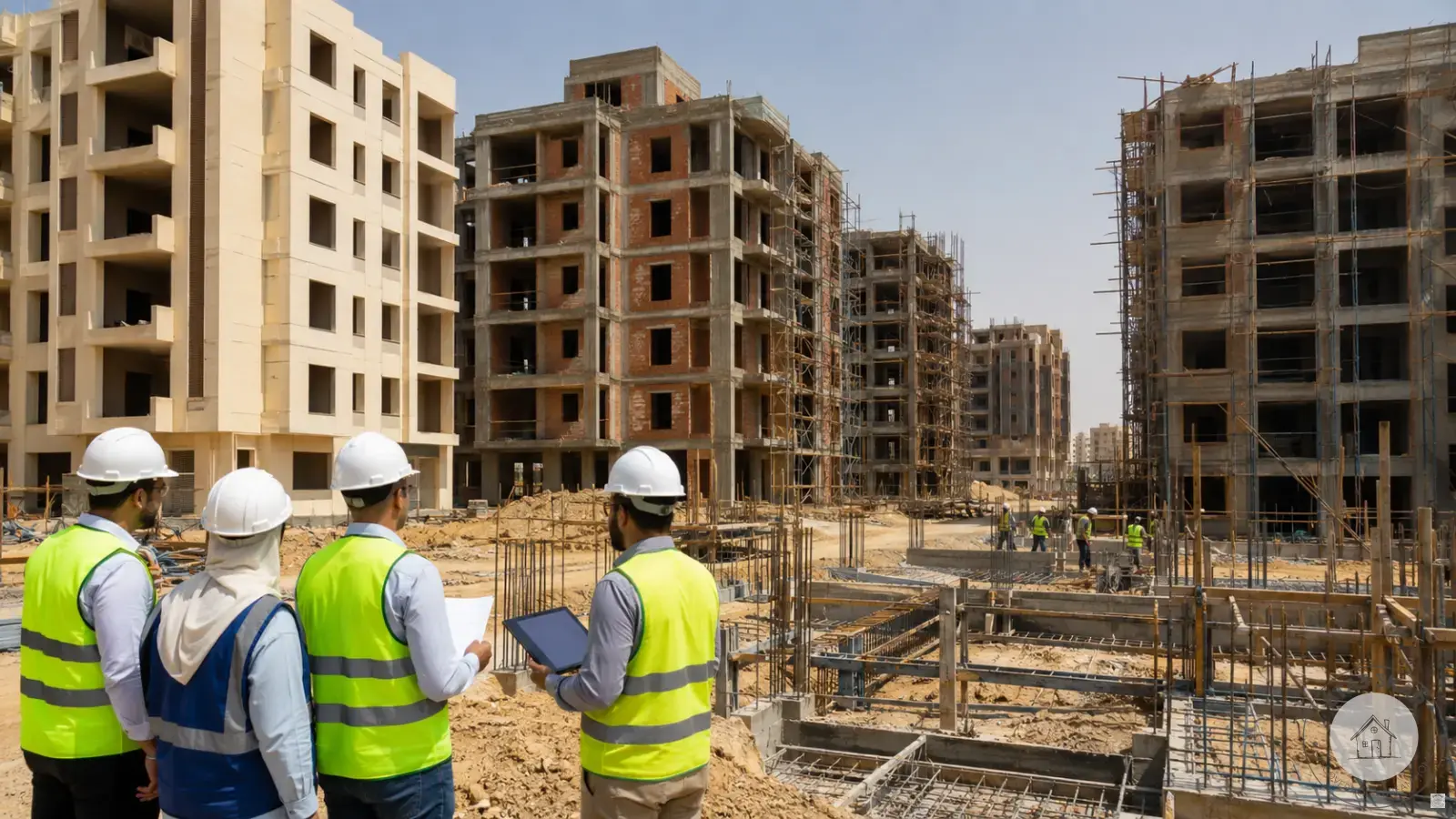
Why developer classification could matter to buyers
One of the more significant ideas is to move from judging a developer primarily by its sales activity to examining its capacity to deliver. For a buyer, financial capacity, construction progress, completed projects and delivery history can be more useful risk indicators than the size of a launch campaign.
That principle can already be applied during due diligence even if a formal national classification system has not yet been introduced. Buyers can ask for evidence of completed developments, inspect the actual construction stage and compare contractual delivery promises with the developer's earlier record.
Why escrow is important — and why buyers should not assume it already applies
An escrow structure generally separates specified project funds and releases or uses them according to defined conditions. In off-plan real estate, the concept can help connect buyer payments with actual project execution.
However, in the sources reviewed for this article, escrow appears among the proposed reforms. BTA33KAR found no basis in the presidential statement for telling buyers that every Egyptian project is already required to operate under this proposed model.
This distinction matters. Marketing material that refers to regulatory reform should not be treated as proof that a particular project has an escrow arrangement. Buyers should request documentary confirmation for the specific project before relying on such a claim.
What should buyers check now?
The reform debate offers a useful checklist even before any additional regulation is implemented. A buyer considering an off-plan or under-construction unit can examine:
- the developer's history of completed and delivered projects;
- the current physical construction stage;
- the contractual delivery date and any clauses dealing with delays;
- what infrastructure and utilities the developer is required to complete;
- the legal and administrative status of the specific project;
- the full payment schedule and circumstances under which payments become due;
- broker identity, role and commission arrangements;
- whether marketing claims can be supported by contracts or official documents.
BTA33KAR's existing guide to real-estate investment risks in Egypt provides additional checks on developer credibility and approvals. Buyers comparing installment structures can also review the New Cairo installment-plan guide.
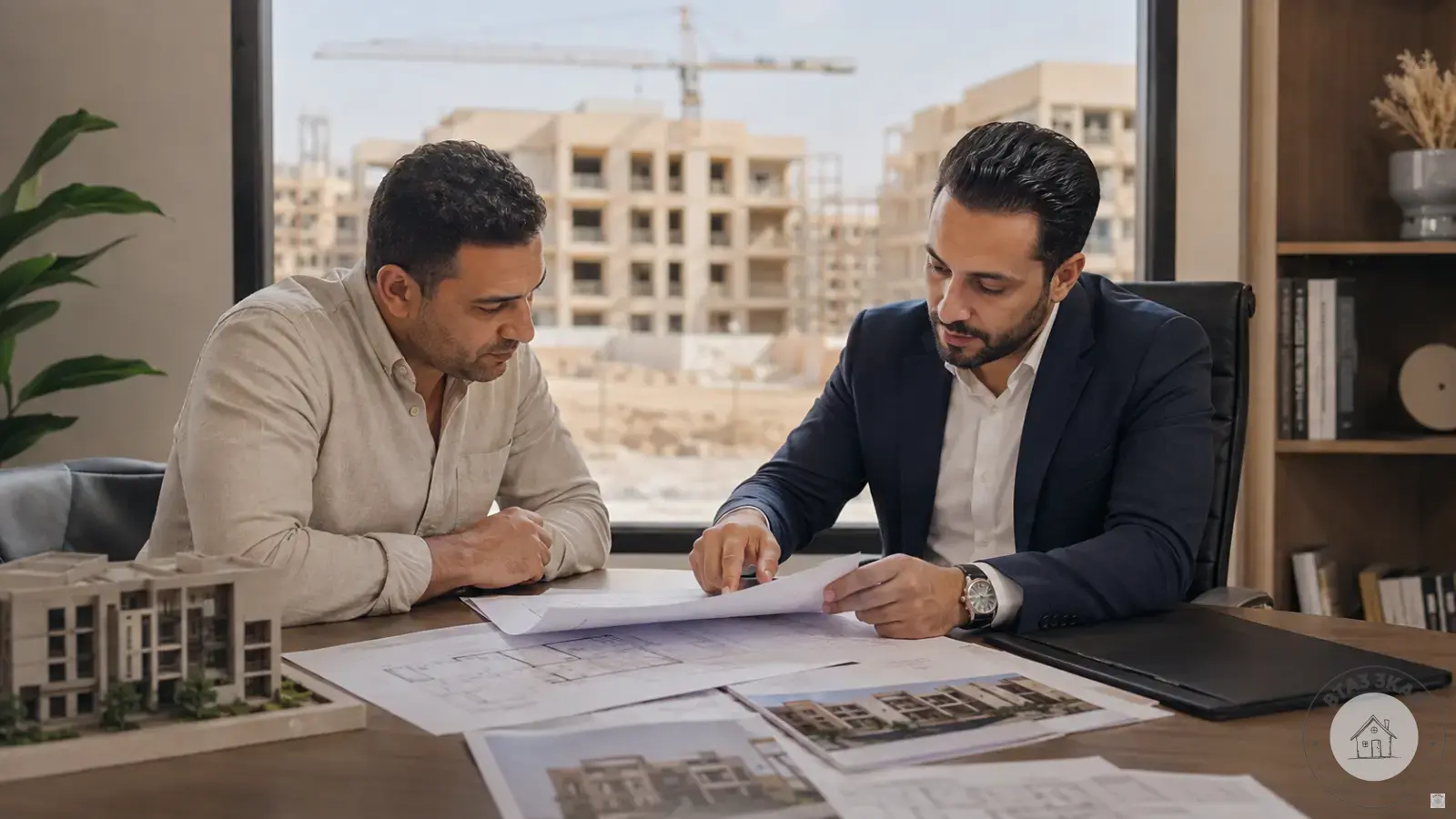
What has not been confirmed by the reviewed announcement?
The Presidency's 10 August statement does not, by itself, confirm that:
- escrow accounts have become mandatory for every property development;
- a new Egyptian developers' federation has already been established;
- the proposed developer-classification system is already operational;
- a national property ID has been universally implemented;
- new standard sale contracts have already replaced existing contracts;
- the proposed indicative property-price benchmarks are official prices.
Any future legislation, executive regulation or official implementation announcement would need to be reviewed separately before these proposals could be described as binding requirements.
BTA33KAR analysis: what could change if reform moves from discussion to implementation?
The most meaningful potential change is not necessarily a short-term movement in property prices. It is a possible shift in how project and developer risk is measured.
If project inspection becomes systematic and some of the wider proposals are eventually implemented through formal rules, buyers could have more comparable information about execution capacity, construction progress and contractual performance. That could make delivery evidence increasingly important alongside price, location and payment terms.
But implementation is the key variable. An announced direction, an industry proposal and an enforceable regulation are three different things. Buyers should continue assessing each project individually rather than assuming that the broader reform debate removes project-specific risk.
Frequently asked questions
Has Egypt introduced new nationwide rules for all real-estate developers?
The reviewed presidential statement announces a committee to inspect ongoing projects and monitor delivery, contracts and infrastructure. It does not set out a complete new nationwide regulatory code for developers.
Are escrow accounts now mandatory for Egyptian property projects?
The sources reviewed here present escrow accounts as one of the reform proposals discussed by property-market participants. The presidential statement reviewed for this article does not establish a nationwide escrow requirement.
What will the project-inspection committee check?
The Presidency specifically refers to delivery of units on schedule, respect for contracts with buyers, completion of project infrastructure and accountability for violations.
Should buyers change how they evaluate developers?
Buyers can place more emphasis on evidence of execution: completed projects, actual construction progress, delivery history, contract terms and project documentation. These checks remain useful regardless of whether the proposed classification system is eventually adopted.
Do the proposed price indicators mean Egypt will set property prices?
No such conclusion is supported by the reviewed sources. Indicative price benchmarks appear as a market proposal and should not be described as an official government price-control mechanism.
Sources
- Presidency of the Arab Republic of Egypt — President Abdel Fattah El-Sisi meets the Prime Minister and Finance Minister, 10 August 2026.
- Al Arabiya Business — Eight proposals for restructuring Egypt's property market, 11 August 2026.
- RAZ Prime — Supporting summary of the eight market proposals attributed to Al Arabiya Business.
Editorial note: This article distinguishes confirmed government directions from proposals discussed by market participants. Buyers should verify the latest official regulations and the documents of the specific project before entering into a property transaction.







 Egypt’s Property Market Faces New Oversight: What Buyers Should Watch
 Seven Planning Goals Behind Egypt’s New Administrative Capital
 Housing Cooperatives Lottery Dates for 229 Units Across Seven Egyptian Projects
 Egypt’s Digital Land Allocation Notices: What New Cairo Buyers Should Know