Buying an Apartment in New Cairo? The Price and Area Are Not the Full Story
Most New Cairo property searches begin with four basic factors: location, unit size, price and payment plan.
These are important, but they do not always show the full financial and practical picture of an apartment purchase.
Some details receive very little attention during the first phone call or property viewing. Buyers may only understand their importance after signing, at delivery or when trying to resell the property.
Three examples are land share, parking and maintenance.
The challenge is not that these issues are always complicated. The main problem is that many buyers simply do not ask about them early enough.
New Cairo includes standalone apartment buildings, smaller residential developments, gated compounds, resale properties and off-plan units. A buyer should not assume that the same ownership, parking or maintenance structure applies to every property.
Before comparing two asking prices, it is worth understanding what is actually included in each purchase.
What Does Land Share Mean When Buying an Apartment?
Depending on the property's ownership structure, contract and applicable documentation, an apartment may be connected to a common share in the land or parts of the property.
However, buyers should not interpret the phrase “land share” entirely through general market conversations.
The relevant question is how the apartment and associated rights are described in the actual contract and property documents.
Many buyers spend significant time examining finishing quality, room sizes and the view. They may spend far less time reviewing how the unit itself is legally described.
This can lead to confusion.
A buyer may hear that every apartment must have a land share. Another person may give the opposite opinion. Neither general statement should replace a review of the specific property.
Questions to Ask About Land Share
- How is the apartment described in the sale contract?
- Does the contract mention a common share in the land or property?
- What ownership documentation is available for the land and building?
- Does the proposed sale agreement reflect the actual ownership structure?
- Are there legal points that require specialist review before signing?
These questions are not intended to make buying property unnecessarily difficult.
Clarifying an important issue before paying a substantial amount is usually easier than trying to investigate it after the purchase process has advanced.
Where ownership wording or legal documentation is unclear, buyers should consider obtaining advice from a qualified lawyer who can review the actual documents. This article is an educational guide, not a substitute for legal due diligence.
Parking: Are You Buying a Space or Only Receiving Access?
Parking may appear unimportant during an early property viewing, especially when the surrounding New Cairo streets are quiet at the time.
The situation can change as the building or surrounding neighborhood becomes more occupied.
More residents, multiple cars per household and nearby commercial or administrative activity can make daily parking a practical property issue.
For this reason, the statement “the building has parking” is not always a complete answer.
Ask Exactly How the Parking Arrangement Works
Is there a numbered parking space allocated to the unit? Is that space identified in the contract? Is parking purchased separately? Is there a shared garage managed by the building or owners' association? Are residents simply using available spaces?
There is an important difference between:
- A specifically allocated parking space documented with the property.
- The right to use a shared garage.
- A parking space sold through a separate arrangement or payment.
- General outdoor parking around the building.
These situations should not automatically be treated as the same, even when the initial sales conversation uses the simple word “parking.”
Why Can Parking Affect Future Resale?
Consider the next buyer who may evaluate your apartment several years from now.
If that buyer is comparing two units with similar locations, sizes and prices, a clearer parking arrangement may influence the final decision.
This does not mean that every apartment without an allocated parking space is a poor purchase.
It means you should understand the parking position before paying, so your comparison is based on accurate information.
Maintenance: A Small Extra Payment or a Real Financial Commitment?
Maintenance is often treated as a secondary figure during property sales discussions.
The buyer asks about the unit price, down payment and installments. The maintenance question may appear at the end of the conversation.
In reality, maintenance structures can vary according to the building, development and management system.
A project may use a maintenance deposit, periodic fees or another form of payment and management arrangement.
Do not only ask: “How much is the maintenance?”
Also ask: how is it calculated, when is it payable and what is it intended to cover?
Important Maintenance Questions
- Is the amount a maintenance deposit or a recurring fee?
- When is the payment due?
- Is it calculated as a percentage or a fixed value?
- What shared areas or services are covered?
- Are there other known operational charges?
- Who manages the building or development?
Property investors should also consider how ongoing costs may affect real returns.
Annual rent is not automatically equal to net investment income. Maintenance, preparation costs, vacancy periods and other expenses may reduce the final return.
An investor comparing two properties only through purchase price can therefore miss part of the financial picture.
Why Buyers Should Compare Real Cost, Not Only the Advertised Price
Imagine that you are comparing two apartments in New Cairo.
The first unit has a lower advertised price. The second is slightly more expensive.
It may seem obvious that the first property is the cheaper option.
After examining the details, however, you may discover different maintenance obligations, parking costs, additional payments, finishing conditions or payment dates.
The question “which apartment is cheaper?” then becomes less useful than “what is my expected total commitment for each option?”
This does not require a complicated financial model.
Start by writing down every known payment and property condition using the same comparison structure.
A Simple Property Comparison Checklist
- Base property price.
- Down payment.
- Total installments and payment schedule.
- Annual or exceptional payments, if applicable.
- Maintenance.
- Parking.
- Finishing or expected preparation costs.
- Delivery date.
- Other disclosed charges in the offer or documents.
Then compare the properties.
The higher-priced unit may still be unsuitable for you. The lower-priced apartment may remain the better choice.
The objective is not to direct every buyer toward the same property. It is to avoid making an incomplete comparison.
Are These Issues Different in Resale and Developer Properties?
The review process may be different.
For a resale apartment, the buyer needs to understand the current status of the property, available documentation, outstanding financial obligations, maintenance position and parking arrangement.
Depending on the situation, assignment or ownership transfer procedures may also need to be reviewed.
When buying directly from a developer, buyers may focus more on the sale contract, project management structure, future maintenance obligations, delivery conditions and the rights linked to the unit.
Do not assume that resale is always simpler or that a developer sale is automatically clearer.
Each property should be evaluated through its own information and documents.
Common Mistakes Buyers Make
Relying Only on a WhatsApp Message
A sales message can help you collect initial information. It should not replace contractual documents when an issue materially affects your purchase decision.
Comparing Maintenance Percentages Without Understanding Them
Two similar percentages do not automatically represent identical costs, services or payment structures.
Assuming the Word “Parking” Has One Meaning
Clarify whether a specific space exists, whether parking is shared and whether additional payment is required.
Waiting Until Signing Day to Review the Contract
The earlier important questions appear, the more time you have to understand them without last-minute pressure.
Before Buying in New Cairo, Ask for the Complete Picture
A property decision should not become a search for the lowest price per square metre alone.
An apartment exists within a building or residential development. Rights, costs and practical usage details can affect both living experience and investment value.
Land share requires an understanding of the actual ownership documents and contract wording. Parking requires clarity about the type of right or access involved. Maintenance requires an understanding of calculation methods and future obligations.
Before reserving a unit, write down your questions. Collect the answers. Review available documentation. Where a legal or sensitive financial issue exists, consider consulting a suitably qualified professional before committing.
At BTA33KAR, the aim is to help property buyers start with a more organized search process: explore the available options, understand important details and compare before making a major real estate decision.
Explore. Compare. Choose Right.







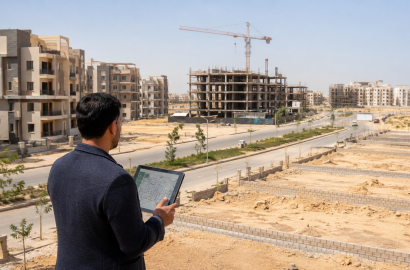

 Buying an Apartment in New Cairo? Check Land Share, Parking and Maintenance
 New Cairo Property Market News: How Land Costs Affect Home Prices
 New Cairo Real Estate Market News: Why Verification Matters More Than Price
 Beit El Watan 2026: What the New Land Offering Means for New Cairo Buyers
 New Cairo Real Estate Market Update: Bayt Al-Watan and Third Settlement in Focus